Infant and toddler clothing size is typically based on age. These are usually preemie for preterm birth baby, 0 to 3 months, 3 to 6 months, 6 to 9 months, 9 to 12 months, 12 months, 18 months,24 months, though there is no industry standard definition for those sizes. Most retailers provide sizing charts based on a child’s weight, height or both, and the child’s weight and height percentile may also be used for properly sizing clothing for the infant.
In the past centuries, Baby Fashion assumed distinctive
features between social classes. Dresses had a powerful potential in displaying
social distinction.
Clothes have long been used
to hide sexual differences in their
strong biological sense and, at the same time, to point up and signal it through
assumptions concerning gender in clothing codes. The manner in which an infant
is dressed “affects behavior toward the infant”. Clothing may be
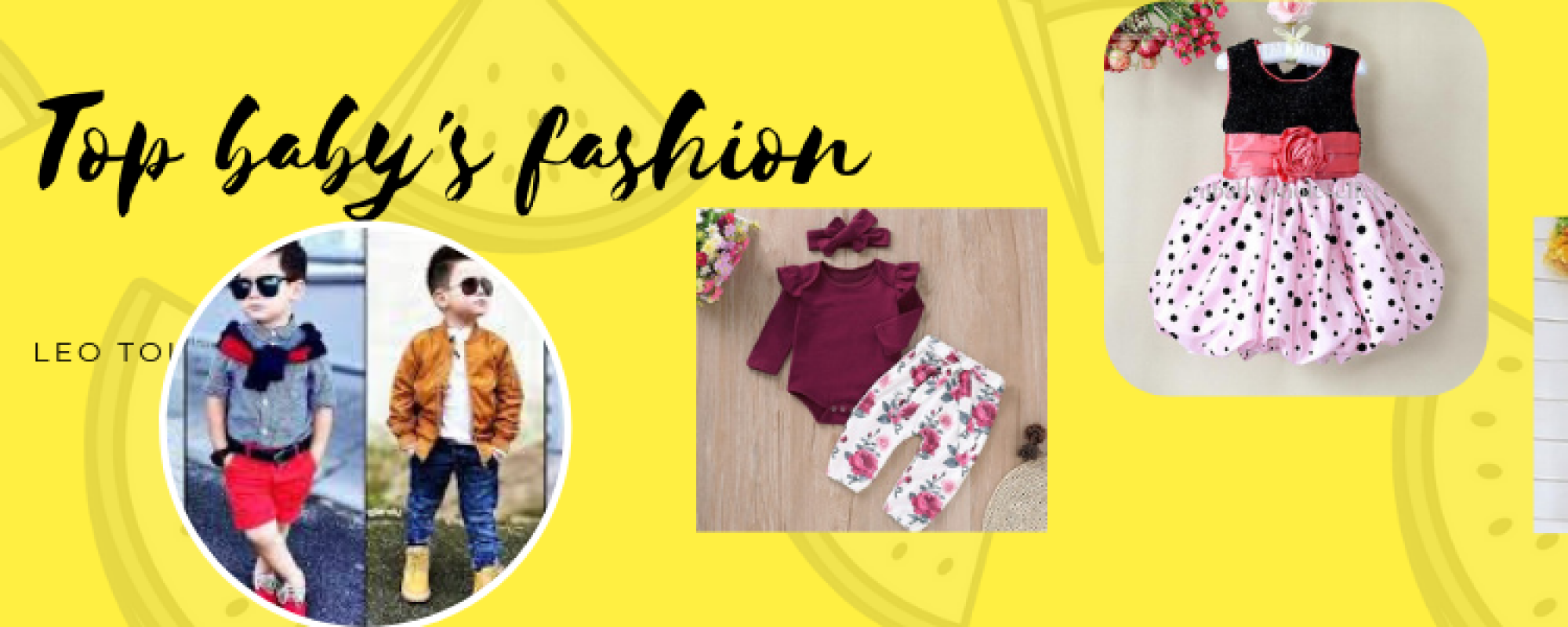
sex-typed by color (e.g. – pink or yellow
for girls, blue or red for boys), or by style (ruffles and puffed sleeves for
girls). If children’s clothes, in the past, were used to differentiate
those belonging to rich families from those coming from poor ones, today
clothes are a symbol of gender differentiation.
Clothing Tips
- In colder weather (under 75 degrees Fahrenheit [23.88 degrees Celsius]): Your baby will need several layers of clothing to keep warm. It’s generally best to dress your baby in an undershirt and diapers, covered by pajamas or a dressing gown, and then wrap him or her in a receiving blanket. For an extra layer, a wearable blanket sleeper or sleep sack is a safe alternative.
- In hot weather (over 75 degrees Fahrenheit [23.88 degrees Celsius]): You can reduce your baby’s clothing to a single layer. A good rule of thumb is to dress the baby in one more layer of clothing than you are wearing to be comfortable in the same environment.
- If your baby is premature: He or she may need still another layer of clothing until his or her weight reaches that of a full-term baby and his or her body is better able to adjust to changes in temperature.
- If you’ve never taken care of a newborn baby before: The first few times you change a baby’s clothes can be quite frustrating. Not only is it a struggle to get that tiny little arm through the sleeve, but your baby may shriek in protest through the whole process. Babies do not like the rush of air against their skin, nor do they enjoy being pushed and pulled through garments
- When you’re dressing her in one-piece pajamas: Pull them over your baby’s legs before putting on the sleeves. Pull T-shirts over her head first, then put one arm at a time through the sleeves. Use this opportunity to ask “Where’s the baby’s hand?” As your baby gets older this will turn into a game, with him or her pushing his or her arm through just to hear you say, “There’s the baby’s hand!”
 baby's fashion